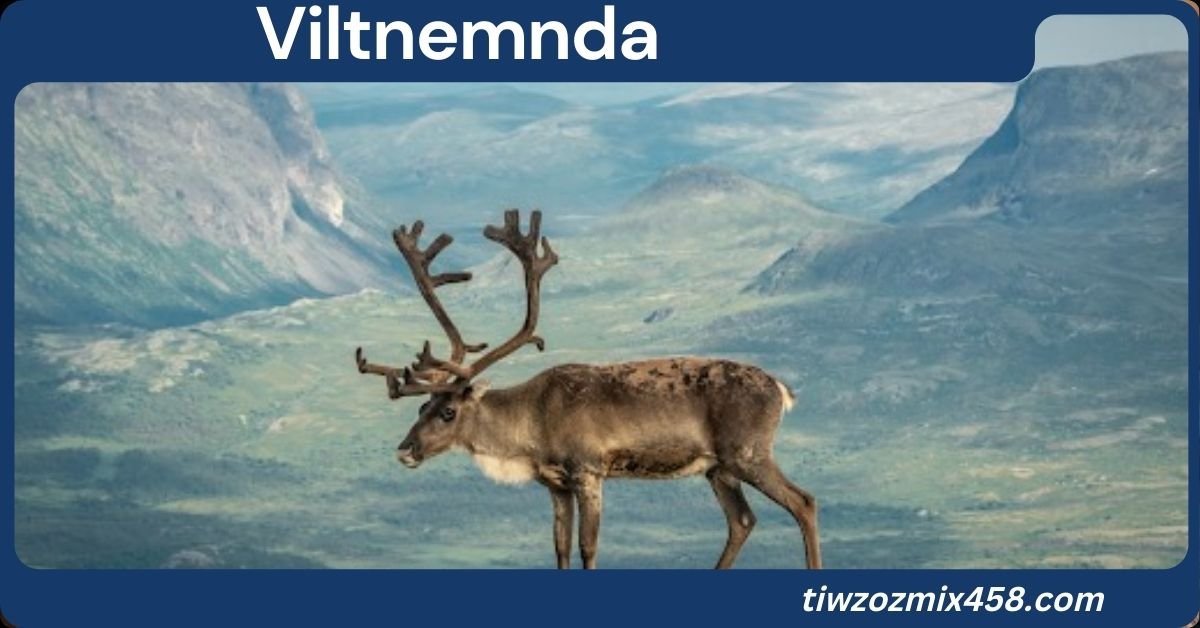
Viltnemnda: Roles, Responsibilities, and Legal Authority in Norwegian Wildlife Law
Viltnemnda is a municipal wildlife committee in Norway that plays a key role in managing wild animal populations at the local level. While the term may be unfamiliar to many readers in the United States, the system behind viltnemnda offers valuable lessons in community-based wildlife governance, sustainable hunting, and ecosystem balance.
In simple terms, viltnemnda is a local public body created under Norwegian law. Its job is to oversee wildlife management in a specific municipality. It works closely with hunters, landowners, environmental experts, and national authorities to ensure that animal populations remain healthy and balanced.
What Is Viltnemnda?
Viltnemnda is a local wildlife committee established under Norwegian law. The word comes from Norwegian:
Vilt means wild game or wildlife.
Nemnda means committee or board.
So viltnemnda literally means wildlife committee.
Each municipality in Norway can establish its own viltnemnda. The committee is responsible for managing wild animal populations within its geographic area. It focuses mainly on game species such as moose, deer, and roe deer, but it may also deal with broader wildlife issues depending on local needs.
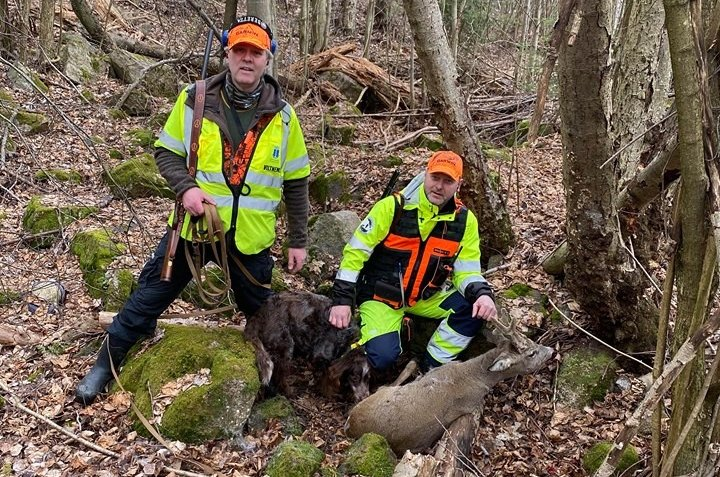
Viltnemnda operates within a legal framework set by national authorities. At the same time, it has local decision-making power. This balance between national rules and local control is one of the most important features of the viltnemnda system.
Legal Foundation of Viltnemnda
Viltnemnda is created under Norwegian wildlife and hunting laws. The national government sets the overall policies and regulations for wildlife management. However, much of the practical work happens at the municipal level.
The legal framework gives viltnemnda authority to:
Approve hunting quotas
Manage local wildlife plans
Oversee reporting of harvested animals
Advise on habitat protection
Coordinate with landowners and hunting groups
In Norway, municipalities have strong local government powers. This means viltnemnda is not just symbolic. It has real influence over how wildlife is managed in its area.
For US readers, think of viltnemnda as a mix between a local wildlife advisory board and a regulatory committee that works under state wildlife laws.
Why Viltnemnda Exists
The main purpose of viltnemnda is to ensure sustainable wildlife management at the local level.
Wildlife populations can grow or shrink quickly. If there are too many animals, problems can occur. For example:
Too many moose can damage forests
High deer populations can increase car accidents
Overgrazing can harm plant life
If there are too few animals, hunting traditions and ecosystem balance can suffer.
Viltnemnda exists to find the right balance. It uses data, field reports, and cooperation with experts to make informed decisions.
This local approach allows solutions to be tailored to each municipality’s unique landscape, climate, and wildlife population.
How Viltnemnda Is Organized
Each municipality appoints members to its viltnemnda. These members are often local residents with knowledge of:
Hunting
Forestry
Farming
Conservation
Local governance
The committee may include elected officials and other community representatives.
Viltnemnda usually works with:
Municipal administrators
Wildlife biologists
Hunting associations
Landowners
Meetings are held regularly to review wildlife data, discuss hunting quotas, and address community concerns.
Because members are local, they understand the specific challenges of their region. This local knowledge is one of the strengths of the viltnemnda model.
Main Responsibilities of Viltnemnda
Viltnemnda has several important tasks. These responsibilities help keep wildlife populations stable and ecosystems healthy.
Setting Hunting Quotas
One of the most important roles of viltnemnda is to recommend or approve hunting quotas. This means deciding how many animals of a certain species can be harvested during a hunting season.
Also Read: Switching 2nd: Flexible Decision-Making in a Fast-Changing World
The committee reviews:
Population surveys
Harvest reports
Damage reports from farmers and foresters
Traffic accident data involving wildlife
Based on this information, viltnemnda determines safe and sustainable hunting levels.
Managing Big Game Species
In many municipalities, moose management is a major focus. Moose populations can grow large and cause serious forest damage. Viltnemnda works with landowners and hunters to create long-term management plans.
These plans may include:
Target population sizes
Age and sex distribution goals
Multi-year harvest strategies
Advising on Habitat Protection
Healthy wildlife depends on healthy habitats. Viltnemnda may advise on land-use decisions that affect wildlife corridors, breeding grounds, and feeding areas.
While it may not control zoning laws directly, it can provide recommendations to municipal councils.
Monitoring and Reporting
Accurate data is critical. Viltnemnda ensures that hunters report harvested animals correctly. It may also organize local surveys or work with national databases.
This data-driven approach supports responsible wildlife management.
How Viltnemnda Differs from US Wildlife Management
In the United States, wildlife management is usually handled by state agencies such as departments of natural resources or fish and wildlife services. Local governments often have limited authority over hunting regulations.
Viltnemnda represents a more decentralized approach. Key differences include:
Local Authority
In Norway, municipalities have direct involvement in wildlife decisions. In the US, most decisions are made at the state level.
Community Participation
Viltnemnda often includes local hunters and landowners in decision-making. While US states also consult stakeholders, the structure is usually more centralized.
Scale of Governance
Norway is smaller than the US, and its municipalities cover smaller areas. This makes local management more practical.
For US readers, viltnemnda offers an interesting example of how community-level governance can support conservation goals.
The Role of Hunters in Viltnemnda
Hunters play a major role in the viltnemnda system. In Norway, hunting is both a tradition and a management tool.
Hunters:
Provide harvest data
Participate in population monitoring
Help implement quota decisions
Support habitat management
Viltnemnda often works closely with hunting teams to ensure that management goals are met.
This partnership builds trust and increases compliance with regulations.
Sustainability and Scientific Approach
Viltnemnda is not based on guesswork. It relies on science and data.
Population estimates may include:
Aerial surveys
Field observations
Harvest statistics
Reproductive data
The committee considers ecological factors such as:
Food availability
Predator presence
Weather conditions
Disease risks
By combining local knowledge with scientific data, viltnemnda promotes sustainable wildlife use.
ALso Read:Acamento: The Art of Intentional Finishing
Challenges Facing Viltnemnda
Even with a strong system, viltnemnda faces challenges.
Climate Change
Changing weather patterns affect animal migration, food supply, and reproduction rates. Viltnemnda must adapt management plans accordingly.
Urban Expansion
As towns grow, wildlife habitats shrink. Conflicts between humans and animals increase.
Public Opinion
Not everyone agrees on hunting policies. Some residents may prefer lower quotas, while others want more hunting opportunities.
Balancing these interests requires transparency and clear communication.
Transparency and Public Trust
Public trust is essential for viltnemnda to function effectively.
Many municipalities publish:
Meeting minutes
Quota decisions
Management plans
This openness helps residents understand why certain decisions are made.
In a time when public trust in institutions is declining in many countries, the local and transparent nature of viltnemnda is a key strength.
Economic and Cultural Impact
Viltnemnda’s decisions affect more than wildlife.
Economic Impact
Hunting supports local economies through:
License fees
Equipment sales
Tourism
Meat production
Proper management ensures that these benefits continue without harming ecosystems.
Cultural Importance
In Norway, hunting is part of rural culture. Viltnemnda helps protect this tradition while ensuring sustainability.
Lessons the US Can Learn from Viltnemnda
For American readers, viltnemnda offers several valuable insights.
Local Involvement Improves Compliance
When local people help make decisions, they are more likely to follow the rules.
Data-Driven Management Works
Strong reporting systems improve long-term sustainability.
Balanced Governance Is Possible
National standards combined with local flexibility can be effective.
While the US system is different, elements of viltnemnda could inspire stronger community engagement in wildlife management.
Future of Viltnemnda
The future of viltnemnda will depend on:
Adapting to climate change
Integrating new technologies
Engaging younger generations
Maintaining public trust
Digital tools such as wildlife tracking apps and online reporting systems may improve efficiency.
Continued cooperation between national authorities and local committees will also be critical.
Viltnemnda is likely to remain an important part of Norway’s wildlife governance for years to come.
Also Read: Aurö: The Modern Lifestyle Brand Blending Smart Technology, Design, and Sustainability
Frequently Asked Questions About Viltnemnda
What does viltnemnda mean in English?
Viltnemnda translates to wildlife committee or game management committee. It refers to a municipal-level body responsible for managing wild animal populations in Norway.
Is viltnemnda a government agency?
Viltnemnda is part of local government in Norway. It operates within national wildlife laws but functions at the municipal level.
Does viltnemnda control all wildlife species?
Viltnemnda mainly focuses on game species such as moose and deer. Other species may fall under national or regional authorities depending on legal frameworks.
Are viltnemnda decisions legally binding?
Yes. Decisions related to hunting quotas and management plans are enforceable within the municipality, as long as they align with national laws.
How are members of viltnemnda chosen?
Members are appointed by the municipal council. They often include individuals with experience in hunting, land management, or conservation.
Does viltnemnda deal with predators like wolves?
Predator management in Norway often involves higher-level authorities. However, viltnemnda may provide local input and recommendations.
Can US communities create something like viltnemnda?
Yes, local advisory boards already exist in some US regions. Expanding their authority and integrating them more deeply into state systems could create a similar model.
How does viltnemnda balance conservation and hunting?
It uses scientific data, population targets, and community consultation to ensure hunting remains sustainable.
Is viltnemnda unique to Norway?
The specific term and structure are Norwegian. However, other countries use local wildlife boards in different forms.
What makes viltnemnda effective?
Its effectiveness comes from local knowledge, strong legal authority, transparency, and cooperation between stakeholders.
Final Thoughts on Viltnemnda
Viltnemnda represents a practical and community-centered approach to wildlife management. It combines national policy with local expertise. It respects both ecological science and cultural traditions.
For US readers, viltnemnda offers a valuable case study in decentralized governance. It shows that local committees, when properly supported by law and data, can manage natural resources responsibly.
As environmental challenges grow worldwide, systems like viltnemnda may provide important lessons in sustainability, accountability, and community involvement.
Understanding viltnemnda is not just about learning a Norwegian term. It is about exploring a model of wildlife management that balances human needs with ecological responsibility.