Brand Name Normalization Rules: Complete Guide for Consistent Branding in 2026
In today’s digital world, businesses manage thousands of product names, customer records, online listings, marketing campaigns, and database entries every day. One small mistake in a brand name can create confusion, reduce trust, and even hurt search engine rankings. This is why many organizations now use brand name normalization rules to keep branding consistent across all platforms.
Whether a company is running an eCommerce store, a SaaS platform, a retail business, or a global enterprise, consistency matters. Customers expect to see the same brand name everywhere. Search engines also prefer clear and standardized brand references because they improve trust and data quality.
Brand name normalization rules help businesses create a structured system for writing, storing, formatting, and displaying brand names. These rules are used in websites, databases, CRM software, product catalogs, mobile apps, invoices, social media pages, and digital advertising.
Without normalization, businesses often face duplicate records, misspelled brand names, inconsistent capitalization, incorrect abbreviations, and reporting problems. These issues can damage branding and create operational challenges.
This complete guide explains everything about brand name normalization rules in very easy English. You will learn what they are, why they matter, how they work, best practices, common mistakes, examples, tools, SEO benefits, database applications, and future trends.
If you want a professional and search-engine-friendly understanding of brand name normalization rules, this article will help you more deeply than most online resources.
What Are Brand Name Normalization Rules?
Brand name normalization rules are structured guidelines used to standardize how brand names are written, stored, displayed, and processed across systems.
The main purpose is consistency.
For example, a company may accidentally store the same brand in multiple formats like:
- Apple Inc.
- APPLE
- apple
- Apple
- Apple, Inc
Even though these refer to the same company, systems may treat them as different entries. Brand name normalization rules solve this problem by defining one approved format.
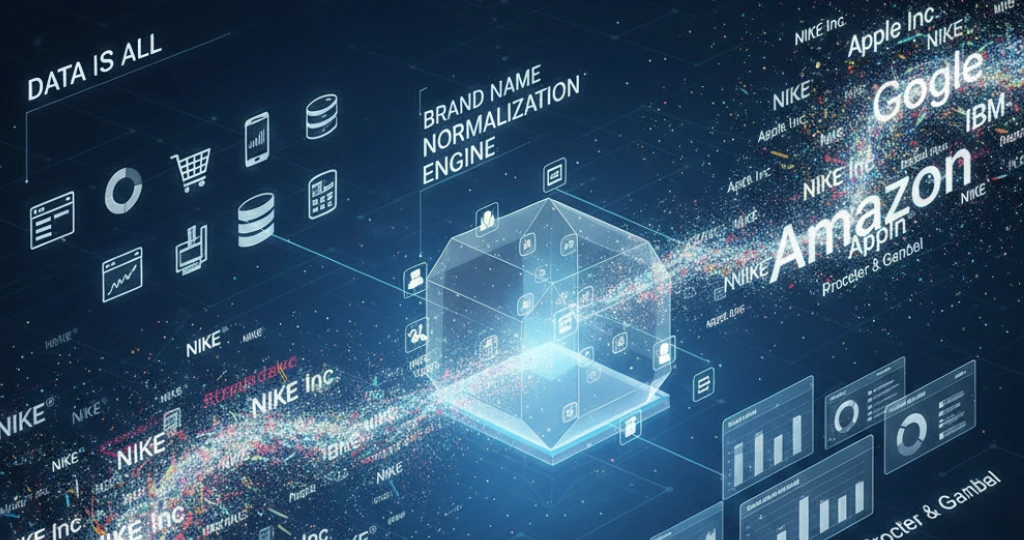
A normalized brand name becomes the official version used everywhere.
For example:
Approved Normalized Brand Name:
Apple
All other variations automatically convert to the approved format.
Normalization rules are commonly used in:
- Database management
- SEO optimization
- Product catalogs
- eCommerce systems
- CRM platforms
- Data analytics
- Marketing automation
- AI and machine learning systems
- Customer support systems
- Inventory management
These rules improve data accuracy, customer trust, and operational efficiency.
Why Brand Name Normalization Rules Matter
Many businesses underestimate the importance of standardized brand naming. However, inconsistent brand representation creates serious problems.
Improves Brand Consistency
Customers trust businesses that appear professional and organized. When a brand name changes across platforms, customers may think they are dealing with different companies.
Consistency builds recognition and trust.
Also Read:Cobra Health Insurance: Complete 2026 Guide for Employees and Families
Enhances SEO Performance
Search engines prefer consistent brand signals. If your brand appears in different formats across websites and listings, search engines may struggle to understand your identity.
Using brand name normalization rules helps:
- Improve branded search visibility
- Strengthen entity recognition
- Increase local SEO consistency
- Reduce duplicate indexing
- Improve knowledge graph accuracy
Reduces Duplicate Data
Databases often contain duplicate records because brand names are entered differently.
Example:
- Nike
- NIKE
- Nike Inc
- Nike, Inc.
Without normalization, systems may count these as separate brands.
Normalization helps clean databases and improve reporting accuracy.
Better Analytics and Reporting
Business intelligence tools rely on accurate data. If brand names are inconsistent, reports become unreliable.
Normalized brand names improve:
- Sales analysis
- Customer segmentation
- Market research
- Inventory tracking
- Financial reporting
Supports Automation
Automation systems need clean and standardized data. AI models, recommendation engines, and machine learning systems work better when brand names follow fixed rules.
Core Principles of Brand Name Normalization Rules
Every organization may create its own standards, but most normalization systems follow several core principles.
Standardized Capitalization
One major rule is deciding how capitalization should appear.
Examples include:
- All uppercase
- Title case
- Sentence case
Most businesses prefer title case because it looks professional.
Correct:
Microsoft
Incorrect:
MICROSOFT
microsoft
MicroSoft
Consistency is more important than style preference.
Removing Extra Characters
Normalization often removes unnecessary punctuation and symbols.
Example:
Original:
Coca-Cola®, Inc.
Normalized:
Coca-Cola
This simplifies storage and matching.
Handling Abbreviations
Companies may use abbreviations differently.
Examples:
- IBM
- I.B.M.
- International Business Machines
Normalization rules define the preferred version.
Eliminating Duplicate Spaces
Extra spaces can create mismatches in databases.
Example:
- Adidas
- Adidas
- Adidas
Normalization removes extra spaces automatically.
Unicode and Character Standardization
Global brands may include special characters.
Example:
- Nestlé
- NESTLE
- Nestle
Normalization systems decide whether to preserve or simplify special characters.
Trademark Symbol Management
Many brands use trademark symbols like:
- ™
- ®
- ©
Most normalization systems remove these symbols in databases while keeping them for marketing materials.
Example:
Original:
Pepsi®
Normalized:
Pepsi
Common Types of Brand Name Normalization Rules
Different businesses use different normalization methods depending on their goals.
Case Normalization
This standardizes capitalization.
Example:
Input:
sony
Output:
Sony
Whitespace Normalization
Removes unnecessary spaces.
Input:
Samsung
Output:
Samsung
Punctuation Normalization
Removes periods, commas, and unnecessary punctuation.
Input:
H.P.
Output:
HP
Abbreviation Normalization
Converts multiple abbreviations into one standard version.
Input:
P&G
Output:
Procter and Gamble
Alias Mapping
Maps alternative names to official names.
Example:
- FB → Meta
- Google LLC → Google
Language Normalization
Global brands may appear differently in different languages.
Normalization helps standardize translations and regional naming.
How Brand Name Normalization Works
Brand name normalization usually follows a step-by-step process.
Step 1: Data Collection
The system gathers brand names from:
- Customer records
- Websites
- Product listings
- Databases
- Third-party sources
Step 2: Cleaning Data
The system removes:
- Extra spaces
- Special characters
- Formatting inconsistencies
Step 3: Applying Rules
Normalization algorithms apply predefined standards.
Example:
- Convert to title case
- Remove punctuation
- Standardize abbreviations
Step 4: Matching Variations
The system identifies similar names.
Example:
- McDonald’s
- McDonalds
- MCDONALDS
All are matched to one official format.
Step 5: Final Storage
The normalized version becomes the official database value.
Real-World Examples of Brand Name Normalization Rules
Understanding real examples makes normalization easier to understand.
Example 1: Amazon
Possible variations:
- AMAZON
- Amazon.com
- Amazon Inc.
- amazon
Normalized version:
Amazon
Example 2: Apple
Possible variations:
- Apple Inc
- APPLE
- Apple, Inc.
- apple
Normalized version:
Apple
Example 3: KFC
Possible variations:
- Kentucky Fried Chicken
- K.F.C.
- KFC
Normalized version:
KFC
Example 4: HP
Possible variations:
- Hewlett-Packard
- H.P.
- HP Inc
Normalized version:
HP
Brand Name Normalization Rules in SEO
SEO professionals increasingly use normalization strategies because search engines rely heavily on entity consistency.
Better Entity Recognition
Google identifies brands as entities. Consistent naming improves entity understanding.
Improved Local SEO
Businesses listed differently across directories can lose local ranking strength.
Example:
- Starbucks Coffee
- Starbucks
- Starbucks Cafe
Normalization strengthens citation consistency.
Reduced Duplicate Content Issues
Consistent brand naming prevents confusion in indexed pages.
Stronger Brand Signals
Google understands your business better when branding is uniform across:
- Website pages
- Social media
- Listings
- Metadata
- Backlinks
Higher Click-Through Rates
Users trust listings with clear and recognizable branding.
Brand Name Normalization in eCommerce
eCommerce platforms manage thousands of products and vendors. Brand normalization is critical for organization and search accuracy.
Product Search Improvements
Customers can find products faster when brands are standardized.
Example:
Searching “Nike” should display all Nike products even if sellers entered variations.
Better Filtering
Normalized brand names improve category filters.
Inventory Accuracy
Warehouses track products more efficiently with consistent brand naming.
Marketplace Integration
Amazon, Walmart, Shopify, and eBay sellers often use normalization to synchronize listings.
Brand Name Normalization in Databases
Databases become difficult to manage without standardization.
Prevents Duplicate Records
Duplicate entries waste storage and reduce reporting quality.
Faster Searches
Normalized databases improve query performance.
Improved Data Integrity
Standardization reduces human errors.
Easier System Integration
Different systems communicate more effectively with normalized data.
Also Read:Cigna Health Insurance: Complete Guide to Plans, Costs, Coverage & Benefits 2026
AI and Machine Learning Applications
Artificial intelligence systems rely heavily on normalized data.
Better Training Data
AI models learn more accurately from standardized information.
Improved Brand Recognition
Machine learning systems identify brands more effectively.
Enhanced Recommendation Systems
Recommendation engines work better with clean brand data.
Natural Language Processing Benefits
NLP systems understand brand references more accurately.
Best Practices for Creating Brand Name Normalization Rules
Successful normalization requires clear planning.
Create a Master Brand List
Maintain one official database containing approved brand names.
Define Formatting Standards
Choose rules for:
- Capitalization
- Punctuation
- Abbreviations
- Special characters
Use Automated Validation
Automation reduces human error.
Train Employees
Staff should understand naming standards.
Regularly Audit Data
Check systems for inconsistencies.
Use Alias Dictionaries
Store known variations and map them to approved names.
Support Global Languages
International businesses should account for regional naming differences.
Document All Rules
Clear documentation improves long-term consistency.
Common Mistakes in Brand Name Normalization
Many companies make avoidable normalization errors.
Over-Normalization
Removing too much information can damage brand identity.
Example:
3M should not become “Three M.”
Ignoring Regional Variations
Different countries may use different naming conventions.
Lack of Automation
Manual normalization increases errors.
Inconsistent Rule Updates
Rules should evolve with branding changes.
Ignoring SEO Impact
Changing brand formats without SEO planning can hurt rankings.
Not Handling Mergers and Rebranding
Businesses often forget to update normalization systems after rebranding.
Example:
Facebook → Meta
Challenges in Brand Name Normalization
Normalization is powerful, but it also has challenges.
Global Language Complexity
International brands use multiple alphabets and languages.
User Input Errors
Customers may enter incorrect spellings.
Legacy Systems
Older databases may not support modern normalization methods.
Brand Mergers
Mergers create naming conflicts.
Rapid Brand Evolution
Modern brands frequently update logos, structures, and naming styles.
Tools Used for Brand Name Normalization
Many businesses use specialized tools and technologies.
CRM Platforms
Customer relationship management systems often include normalization features.
Examples include:
- Salesforce
- HubSpot
- Zoho CRM
Data Cleaning Tools
Platforms designed for database cleanup help standardize naming.
AI-Based Matching Tools
Machine learning systems identify similar brand variations automatically.
Spreadsheet Automation
Excel and Google Sheets formulas can normalize smaller datasets.
Custom APIs
Large enterprises build custom normalization systems.
Future of Brand Name Normalization Rules
Normalization is becoming more advanced with AI and automation.
AI-Powered Brand Recognition
AI systems can detect brand variations automatically.
Real-Time Normalization
Modern systems standardize names instantly during data entry.
Voice Search Optimization
Consistent brand naming improves voice search accuracy.
Global Data Synchronization
Cloud systems now normalize brand data across countries in real time.
Semantic Search Integration
Search engines increasingly rely on entity understanding instead of keyword matching alone.
Blockchain Verification
Some industries are exploring blockchain-based brand verification systems.
How Small Businesses Can Use Brand Name Normalization Rules
Small businesses also benefit from normalization.
Standardize Website Branding
Use the same brand format everywhere online.
Keep Social Media Consistent
Profile names should match official branding.
Maintain Uniform Product Listings
Use identical naming across marketplaces.
Normalize Customer Databases
Clean CRM records regularly.
Create Internal Style Guides
Simple guidelines help employees follow branding rules.
Brand Name Normalization Rules for Multi-Location Businesses
Businesses with multiple locations face additional challenges.
Consistent Franchise Naming
Example:
Correct:
- Subway Miami
- Subway Dallas
- Subway Chicago
Incorrect:
- SubWay Miami
- Subway Restaurant Dallas
Better Local SEO
Consistent naming improves Google Business Profile performance.
Easier Reporting
Headquarters can analyze data more accurately.
Industry Examples of Brand Name Normalization Rules
Retail Industry
Retailers manage huge product catalogs and vendor lists.
Healthcare Industry
Hospitals standardize pharmaceutical and supplier brands.
Financial Industry
Banks normalize company names for compliance and reporting.
Technology Industry
Software companies standardize partner and vendor records.
Logistics Industry
Shipping companies use normalization for tracking systems.
Educational Institutions
Universities standardize department and partner names.
Difference Between Brand Name Normalization and Brand Guidelines
Many people confuse these concepts.
Brand guidelines focus on:
- Logo usage
- Colors
- Typography
- Visual identity
Brand name normalization rules focus on:
- Data consistency
- Database formatting
- Search optimization
- Standardized naming
Both are important, but they serve different purposes.
How to Build a Strong Brand Name Normalization Strategy
Creating a successful normalization strategy requires planning.
Identify All Data Sources
List every platform using brand names.
Audit Existing Data
Find inconsistencies and duplicates.
Create Standard Naming Rules
Develop clear normalization policies.
Use Automation Tools
Automation improves scalability.
Test Across Systems
Ensure compatibility between platforms.
Monitor Performance
Track improvements in data quality and SEO.
Update Rules Regularly
Businesses evolve over time.
SEO Tips for Brand Name Normalization Rules
If you want to rank higher in search engines, normalization supports SEO in several ways.
Use Consistent Brand Mentions
Keep branding identical across all pages.
Optimize Metadata
Use normalized brand names in:
- Title tags
- Meta descriptions
- Structured data
Standardize URLs
Avoid inconsistent naming in URLs.
Use Schema Markup
Structured data improves entity recognition.
Monitor Citations
Business directories should match official branding.
Improve Internal Linking
Consistent anchor text strengthens SEO relevance.
Why Brand Name Normalization Rules Will Become More Important
The internet is growing rapidly. Businesses manage more digital data than ever before.
AI systems, voice search, automation, and semantic search all rely on clean and consistent information.
Companies that ignore normalization may face:
- Poor SEO performance
- Duplicate data
- Customer confusion
- Weak analytics
- Lower trust
Organizations that adopt strong normalization systems gain a competitive advantage.
Also Read:Troozer Com: Everything You Need to Know About This Mysterious Website in 2026
Consistency is becoming one of the most valuable digital assets.
Conclusion
Brand name normalization rules are essential for modern businesses. They help organizations maintain consistency, improve SEO, reduce duplicate data, strengthen analytics, and build customer trust.
As digital systems become more connected, standardized branding will continue to grow in importance. Search engines, AI tools, eCommerce platforms, and databases all work better when brand names follow consistent formatting rules.
Whether you run a small business or a global enterprise, implementing proper brand name normalization rules can improve efficiency and strengthen your online presence.
The best normalization strategies combine automation, clear policies, employee training, and regular audits. Businesses that invest in clean and consistent brand data today will be better prepared for the future of digital commerce and search.
Understanding and applying brand name normalization rules is no longer optional. It is becoming a core part of modern business success.
FAQs About Brand Name Normalization Rules
What is the main purpose of brand name normalization rules?
The main purpose is to keep brand names consistent across databases, websites, marketing materials, and digital systems. This improves accuracy, trust, and search visibility.
Are brand name normalization rules important for small businesses?
Yes. Small businesses also benefit from consistent branding because it improves professionalism, SEO performance, and customer recognition.
Can brand name normalization improve customer experience?
Yes. Customers trust businesses more when branding looks consistent across all platforms, listings, invoices, and websites.
Do search engines care about normalized brand names?
Search engines prefer consistent brand references because they improve entity recognition, local SEO, and indexing accuracy.
How often should normalization rules be updated?
Businesses should review normalization rules regularly, especially after rebranding, mergers, new product launches, or system upgrades.
Can AI automate brand name normalization?
Yes. Modern AI systems can detect duplicate brand entries, identify spelling variations, and automatically apply normalization standards.
What industries benefit most from brand name normalization rules?
Retail, healthcare, banking, technology, logistics, education, and eCommerce industries benefit greatly because they manage large amounts of brand-related data.usi professional + Google optimized human tone mein 3000+ words ka complete article likha hai?