Active Cornering Enhancement: Benefits, Features, Problems, and Solutions
Modern vehicles are smarter, safer, and more advanced than ever before. One of the technologies that has transformed vehicle handling and driving comfort is active cornering enhancement. This advanced automotive system helps reduce body roll, improve vehicle stability, and make driving safer during turns and sudden maneuvers.
Drivers today expect vehicles to feel stable and smooth even when driving at higher speeds or on difficult roads. Traditional suspension systems can only do so much to control body movement. This is where active cornering enhancement becomes important. The technology uses sensors, hydraulics, and electronic controls to improve balance and handling while driving.
Luxury SUVs, performance vehicles, and modern off-road vehicles often use active cornering enhancement systems because these vehicles have a higher center of gravity and are more likely to experience body roll during cornering. By reducing that movement, the vehicle becomes safer, more comfortable, and easier to control.
In this complete guide, you will learn everything about active cornering enhancement, including how it works, its benefits, common problems, repair costs, maintenance tips, and future developments.
What Is Active Cornering Enhancement?
Active cornering enhancement is an advanced suspension control system designed to reduce body roll while a vehicle is turning. The system automatically adjusts the suspension using hydraulic or electronic controls to keep the vehicle more level during cornering.
When a car turns sharply, the vehicle body naturally leans toward one side because of centrifugal force. This leaning is called body roll. Excessive body roll can make a vehicle feel unstable, uncomfortable, and unsafe.
The active cornering enhancement system actively counters that movement. Instead of allowing the vehicle to lean heavily during turns, the system applies controlled force to stabilize the body and improve traction.
The main purpose of active cornering enhancement is to:
- Improve vehicle stability
- Reduce body roll
- Increase driver confidence
- Improve passenger comfort
- Enhance cornering performance
- Improve overall road safety
The technology is especially useful in SUVs and taller vehicles where body roll is more noticeable.
History of Active Cornering Enhancement Technology
Automotive engineers have spent decades improving suspension systems. Early vehicles used very simple suspension designs that focused mainly on comfort rather than performance.
As vehicles became faster and more powerful, manufacturers needed better systems to improve handling and stability. Traditional anti-roll bars helped reduce body lean, but they had limitations.
During the late 1990s and early 2000s, advanced electronic suspension systems started becoming more common in luxury and performance vehicles. Land Rover became one of the most recognized brands using active cornering enhancement technology in SUVs.
The system was designed to solve two major problems:
- Excessive body roll on paved roads
- Reduced wheel articulation during off-road driving
Also Read:Public Health News Today: Latest US Health Updates, Trends, and Safety Alerts in 2026
Traditional stabilizer bars improve cornering on highways but reduce suspension flexibility off-road. Active cornering enhancement solved this issue by automatically adjusting suspension stiffness depending on driving conditions.
Today, many modern vehicles use similar technologies under different names, including:
- Active suspension systems
- Electronic stability suspension
- Dynamic roll control
- Adaptive suspension technology
- Active anti-roll systems
Although the names differ, the main goal remains the same: improving vehicle stability and handling.
How Active Cornering Enhancement Works
Understanding how active cornering enhancement works is easier when you break the system into smaller parts.
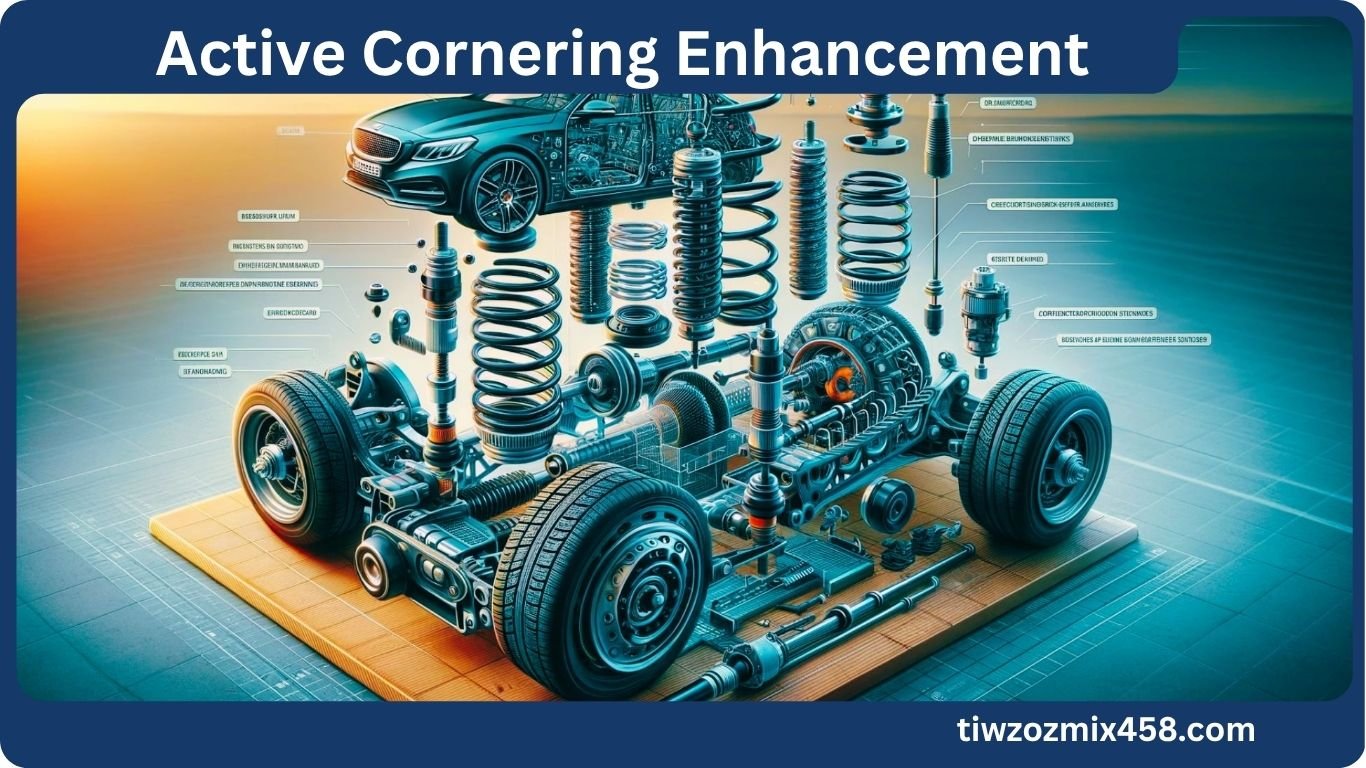
The system uses several important components working together:
Sensors
The vehicle includes sensors that monitor:
- Steering angle
- Vehicle speed
- Lateral acceleration
- Suspension movement
- Body roll angle
These sensors constantly collect driving data.
Electronic Control Unit
The electronic control unit, also called the ECU, acts as the brain of the system. It processes information from the sensors in real time.
The ECU decides when adjustments are needed to reduce body roll.
Hydraulic Actuators
Hydraulic actuators apply pressure to the suspension system. They help counteract leaning during turns.
When the vehicle starts leaning during cornering, the actuators create opposite force to keep the body level.
Anti-Roll Bars
The system usually works together with stabilizer bars or anti-roll bars. However, unlike traditional systems, active cornering enhancement can actively adjust stiffness depending on road conditions.
Hydraulic Pump
A hydraulic pump generates pressure for the system. Without proper hydraulic pressure, the system cannot operate correctly.
What Happens During a Turn?
When the driver turns the steering wheel:
- Sensors detect steering input and vehicle movement.
- The ECU analyzes the situation instantly.
- Hydraulic actuators apply force to the suspension.
- Body roll is reduced.
- The vehicle remains more balanced and stable.
All these actions happen within milliseconds.
Main Benefits of Active Cornering Enhancement
Active cornering enhancement provides many advantages for both drivers and passengers.
Better Vehicle Stability
The biggest benefit is improved stability during turns. The vehicle feels more planted on the road.
Drivers experience greater control during:
- Sharp turns
- Emergency maneuvers
- Highway lane changes
- Curved roads
Reduced Body Roll
Body roll can make passengers feel uncomfortable and unsafe. Active cornering enhancement minimizes that movement.
The vehicle stays flatter during cornering, improving comfort and confidence.
Improved Passenger Comfort
Passengers experience smoother rides because the vehicle remains more stable.
Reduced leaning means less motion discomfort, especially during long trips.
Better Handling
Handling becomes sharper and more responsive. Drivers notice:
- Improved steering feel
- Better traction
- More precise cornering
- Increased driving confidence
Enhanced Safety
Vehicle stability plays a major role in accident prevention.
Active cornering enhancement improves safety by helping maintain control during difficult driving situations.
Improved Off-Road Performance
In some SUVs, the system allows better wheel articulation during off-road driving.
This helps maintain traction on rough terrain while still improving highway stability.
Vehicles That Commonly Use Active Cornering Enhancement
Not every vehicle uses active cornering enhancement because the system increases manufacturing costs.
The technology is most common in:
Luxury SUVs
Luxury SUVs benefit greatly because they are taller and heavier.
Examples include:
- High-end Land Rover models
- Premium BMW SUVs
- Luxury Mercedes-Benz SUVs
- Performance Audi SUVs
Performance Vehicles
Sports cars and performance sedans may use advanced suspension systems similar to active cornering enhancement.
Off-Road Vehicles
Off-road vehicles need both stability and suspension flexibility.
Active systems help balance both needs.
Heavy Vehicles
Larger vehicles often experience greater body movement, making stability systems more valuable.
Active Cornering Enhancement vs Traditional Suspension Systems
There are major differences between active cornering enhancement and traditional suspension setups.
Traditional Suspension
Traditional suspension systems use:
- Springs
- Shock absorbers
- Fixed anti-roll bars
These parts cannot adapt dynamically to changing road conditions.
Active Cornering Enhancement
Active cornering enhancement continuously adjusts suspension behavior in real time.
The system reacts instantly based on:
- Speed
- Steering angle
- Road conditions
- Vehicle movement
Key Differences
Adaptability
Traditional systems are fixed.
Active systems are adjustable.
Handling Performance
Active cornering enhancement provides superior handling.
Ride Comfort
Adaptive systems improve both comfort and performance.
Cost
Traditional suspension systems are cheaper.
Active systems are more expensive to maintain and repair.
Common Problems With Active Cornering Enhancement
Like all advanced automotive systems, active cornering enhancement can develop issues over time.
Understanding common problems helps drivers identify warning signs early.
Hydraulic Fluid Leaks
Hydraulic leaks are one of the most common problems.
Leaks can occur from:
- Hoses
- Pipes
- Seals
- Actuators
Low hydraulic fluid can reduce system performance.
Sensor Failures
Faulty sensors may send incorrect information to the ECU.
This can cause:
- Warning lights
- Poor handling
- System shutdown
Hydraulic Pump Failure
The hydraulic pump is critical for generating pressure.
If the pump fails, the system may stop functioning entirely.
Warning Lights
Dashboard warning lights often indicate suspension or stability issues.
Drivers should never ignore these warnings.
Worn Actuators
Hydraulic actuators can wear out over time, especially in older vehicles.
Electronic Control Issues
Software or ECU problems can affect system operation.
Modern vehicles rely heavily on electronic communication between components.
Symptoms of a Faulty Active Cornering Enhancement System
Drivers should watch for these signs of possible system problems:
Excessive Body Roll
If the vehicle suddenly leans more during turns, the system may not be functioning properly.
Suspension Warning Lights
Dashboard alerts often indicate system faults.
Uneven Handling
The vehicle may feel unstable or unpredictable.
Hydraulic Fluid Under the Vehicle
Fluid leaks are a major warning sign.
Strange Noises
Clunking or whining noises may indicate hydraulic or suspension problems.
Reduced Ride Comfort
The ride may become rougher or less controlled.
Is Active Cornering Enhancement Worth It?
For many drivers, the answer is yes.
The technology offers clear advantages in:
- Safety
- Comfort
- Stability
- Driving confidence
However, there are some factors to consider.
Advantages
- Excellent cornering performance
- Better passenger comfort
- Improved vehicle control
- Advanced driving technology
Also Read:Mass Health Connector: Complete Guide to Affordable Health Insurance in 2026
Disadvantages
- Higher repair costs
- More complex maintenance
- Expensive replacement parts
Drivers who value comfort and performance often find the benefits worth the extra cost.

Maintenance Tips for Active Cornering Enhancement Systems
Proper maintenance helps extend system life and reduce repair costs.
Check Hydraulic Fluid Regularly
Low fluid levels can damage the system.
Drivers should inspect for leaks and maintain proper fluid levels.
Inspect Suspension Components
Regular suspension inspections help identify worn parts early.
Pay Attention to Warning Lights
Never ignore dashboard suspension warnings.
Early repairs can prevent larger problems.
Use Professional Technicians
Active cornering enhancement systems are complex.
Repairs should be handled by experienced technicians.
Follow Manufacturer Service Schedules
Routine maintenance improves reliability and performance.
Repair Costs for Active Cornering Enhancement
Repair costs can vary widely depending on the vehicle and problem.
Minor Repairs
Small leaks or sensor replacements may cost a few hundred dollars.
Major Repairs
Replacing hydraulic pumps, actuators, or control units can cost thousands of dollars.
Labor Costs
The system is complex, so labor charges can be high.
Luxury vehicles usually have higher repair costs.
Active Cornering Enhancement and Vehicle Safety
Vehicle safety technology has evolved rapidly over the past two decades.
Active cornering enhancement works alongside other safety systems, including:
- Electronic stability control
- Anti-lock braking systems
- Traction control
- Adaptive suspension systems
Together, these technologies help reduce accident risk.
Improved Emergency Handling
Drivers sometimes need to make sudden steering movements to avoid obstacles.
The system helps maintain balance during emergency maneuvers.
Better Highway Stability
High-speed highway driving becomes safer because the vehicle feels more stable during lane changes and curves.
Increased Driver Confidence
Drivers who feel more in control are often better able to react safely in difficult situations.
Active Cornering Enhancement in Off-Road Driving
One of the most interesting features of some active cornering enhancement systems is their off-road capability.
Traditional anti-roll bars limit wheel movement, which can reduce off-road traction.
Active systems solve this problem by adjusting stiffness dynamically.
Better Wheel Articulation
The suspension can move more freely on rough terrain.
Improved Traction
Better wheel contact improves grip on uneven surfaces.
Comfortable Off-Road Driving
The system helps balance comfort and performance even on rocky roads.
Future of Active Cornering Enhancement Technology
The future of active cornering enhancement looks very promising.
Automakers continue developing smarter and more advanced suspension systems.
Artificial Intelligence Integration
Future systems may use AI to predict road conditions and driving behavior.
Electric Vehicle Compatibility
Electric vehicles are becoming more common, and advanced suspension systems will play a major role in their handling performance.
Fully Active Suspension
Some future systems may eliminate body roll almost completely.
Better Energy Efficiency
Manufacturers are working on systems that use less power while improving performance.
Integration With Autonomous Driving
Self-driving vehicles will require extremely advanced stability systems.
Active cornering enhancement technology will likely become even more important.
Why Drivers Appreciate Active Cornering Enhancement
Many drivers notice major improvements immediately after driving a vehicle equipped with active cornering enhancement.
Smooth Driving Experience
The vehicle feels smoother and more balanced.
Less Driver Fatigue
Stable handling reduces stress during long trips.
More Confidence in Curves
Drivers feel safer on winding roads and highways.
Premium Feel
The technology contributes to a luxury driving experience.
Active Cornering Enhancement and Fuel Efficiency
Some people wonder whether active cornering enhancement affects fuel economy.
The answer depends on the vehicle design.
Added Weight
The system adds extra components, which can slightly increase vehicle weight.
Improved Aerodynamics During Cornering
Better stability may improve driving efficiency in certain situations.
Modern Engineering Improvements
Newer systems are becoming lighter and more energy efficient.
Overall, fuel economy impact is usually small compared to the handling benefits.
Can You Drive With a Faulty Active Cornering Enhancement System?
In many cases, yes, but it is not recommended for long periods.
A faulty system can affect:
- Handling
- Stability
- Ride comfort
- Safety
Some vehicles may enter a limited driving mode when serious faults occur.
Drivers should schedule repairs quickly if warning lights appear.
Signs You Should Service the System Immediately
Certain symptoms require immediate attention.
Severe Fluid Leaks
Hydraulic fluid leaks can cause rapid system failure.
Strong Vehicle Leaning
Excessive body roll indicates poor stability control.
Suspension Warning Messages
Electronic warnings should always be checked.
Unusual Steering Feel
Poor steering response may indicate suspension issues.
How Mechanics Diagnose Active Cornering Enhancement Problems
Professional technicians use advanced diagnostic tools.
Computer Diagnostics
Modern vehicles store error codes in the ECU.
Hydraulic Pressure Testing
Technicians test hydraulic pressure levels.
Visual Inspections
Mechanics inspect hoses, pumps, and suspension components.
Road Testing
Road tests help identify handling issues.
Best Practices for Long-Term Reliability
Drivers can improve system lifespan with proper habits.
Avoid Aggressive Driving
Hard cornering increases stress on suspension components.
Maintain Tires Properly
Proper tire pressure supports suspension performance.
Fix Small Problems Early
Minor leaks can become expensive repairs if ignored.
Use Quality Replacement Parts
Cheap parts may reduce system reliability.
Active Cornering Enhancement and Modern Automotive Innovation
The automotive industry is moving toward smarter vehicles with advanced safety and handling technologies.
Active cornering enhancement represents an important step in this evolution.
The system combines:
- Electronics
- Hydraulics
- Sensors
- Real-time computing
This combination creates a safer and more comfortable driving experience.
Also Read:JD Vance Trump Health: Full Analysis of Statements, Concerns, and Political Impact in 2026
As technology improves, more affordable vehicles may adopt similar systems.
Final Thoughts
Active cornering enhancement is one of the most important modern suspension technologies for improving vehicle stability and handling. By reducing body roll and improving balance during turns, the system makes driving safer, smoother, and more comfortable.
The technology is especially valuable in SUVs, luxury vehicles, and off-road models where stability is critical. Although repairs and maintenance can be expensive, many drivers believe the benefits greatly outweigh the costs.
As automotive technology continues advancing, active cornering enhancement systems will likely become even smarter, more efficient, and more common in future vehicles.
Drivers who understand how the system works can better maintain their vehicles, identify warning signs early, and enjoy the full benefits of advanced suspension technology.
Frequently Asked Questions About Active Cornering Enhancement
What is the main purpose of active cornering enhancement?
Active cornering enhancement helps reduce body roll when a vehicle turns. It improves stability, safety, and driving comfort on the road.
Does active cornering enhancement work at low speeds?
Yes, the system can operate at both low and high speeds depending on driving conditions. It continuously adjusts suspension performance in real time.
Can active cornering enhancement improve driving in bad weather?
Yes, it can help maintain better vehicle balance during rain, snow, or slippery road conditions. This improves driver control and confidence.
Is active cornering enhancement available in electric vehicles?
Many modern electric vehicles now use advanced suspension technologies similar to active cornering enhancement. These systems improve ride quality and handling.
How do I know if my active cornering enhancement system needs repair?
Common signs include warning lights, fluid leaks, excessive body roll, and rough handling. A professional inspection can identify the exact problem.
Does active cornering enhancement affect towing performance?
Yes, the system can improve stability while towing by reducing vehicle sway and body movement during turns or lane changes.
Can active cornering enhancement increase vehicle resale value?
Vehicles with advanced suspension and safety technologies are often more attractive to buyers. This may help improve resale value over time.