
Social Determinants of Health: Meaning, Examples, and Why They Matter
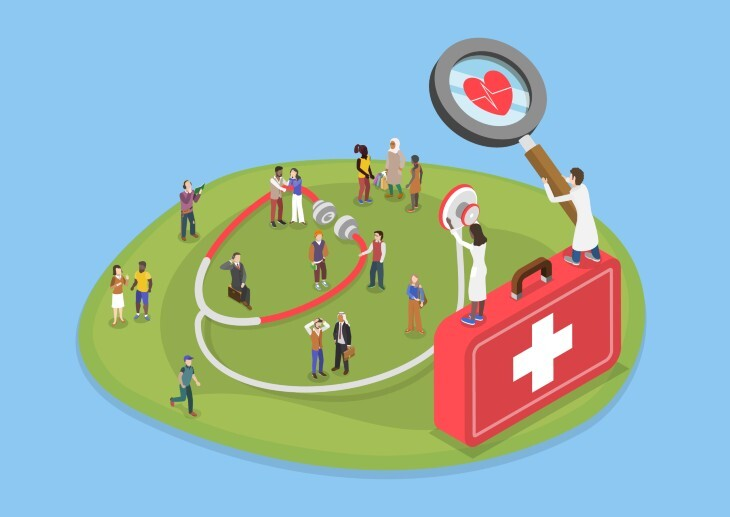
Health is not only about hospitals, doctors, medicines, or medical treatments. A person’s health is deeply connected to daily life conditions such as income, education, housing, food access, transportation, community safety, and employment opportunities. These conditions are known as social determinants of health.
Today, healthcare experts, governments, and public health organizations across the United States recognize that social determinants of health play a major role in shaping people’s physical and mental well-being. In many cases, these nonmedical factors influence health more than medical care itself.
For example, a person living in a safe neighborhood with access to healthy food, quality schools, and stable employment is more likely to enjoy good health. On the other hand, someone living in poverty without reliable transportation or access to nutritious food may face greater health risks even if healthcare services are available.
Understanding social determinants of health is important because they affect individuals, families, communities, and the entire healthcare system. These factors influence life expectancy, chronic disease rates, mental health, healthcare costs, and overall quality of life.
This article explains what are social determinants of health, explores social determinants of health examples, discusses their impact on communities, and provides updated insights into why they matter more than ever in modern healthcare.
What Are Social Determinants of Health?
Social determinants of health are the conditions in which people are born, grow, live, work, learn, and age. These factors directly affect health outcomes, opportunities, and quality of life.
The term includes social, economic, and environmental conditions that influence how healthy a person can be throughout life.
Healthcare alone cannot create healthy communities. Even the best hospitals cannot fully solve problems caused by poverty, poor housing, unsafe neighborhoods, or lack of education.
In simple words, social determinants of health are the everyday life factors that shape health and wellness.
These determinants influence:
- Physical health
- Mental health
- Emotional well-being
- Life expectancy
- Access to healthcare
- Disease prevention
- Chronic illness rates
- Child development
- Community health outcomes
Many public health experts believe that improving social conditions is one of the most effective ways to improve national health outcomes.
Why Social Determinants of Health Matter
The importance of social determinants of health has increased significantly in recent years. Researchers now understand that many diseases are linked to social and economic conditions.
For example:
- Poor housing can increase asthma rates
- Food insecurity can lead to diabetes and obesity
- Low education levels may reduce health literacy
- Unsafe neighborhoods can increase stress and mental illness
- Unemployment may contribute to depression and substance abuse
These issues affect millions of Americans every day.
Health outcomes are not equal across all populations. Some communities experience greater health challenges because they face barriers related to income, race, education, or environment.
Also Read:Transds: A Complete Guide to Distributed Data and Computing Systems
Addressing social determinants of health can help:
- Reduce healthcare costs
- Improve life expectancy
- Lower chronic disease rates
- Create healthier communities
- Reduce health inequalities
- Improve mental health outcomes
- Increase healthcare access
This is why healthcare systems, insurance companies, schools, and governments are investing more resources into social health programs.
The Five Main Categories of Social Determinants of Health
Public health experts commonly divide social determinants of health into five major categories.
1. Economic Stability
Economic stability refers to a person’s financial situation and ability to meet basic needs.
This includes:
- Employment
- Income level
- Debt
- Expenses
- Financial security
- Poverty status
People with stable incomes usually have better access to healthy food, safe housing, healthcare, and education.
Financial stress can negatively affect both mental and physical health. Long-term economic hardship is strongly connected to chronic disease, anxiety, depression, and shorter life expectancy.
Economic Stability and Health Outcomes
Low-income families often experience:
- Limited healthcare access
- Higher stress levels
- Poor nutrition
- Housing instability
- Delayed medical treatment
In contrast, financial security often leads to healthier lifestyles and better preventive care.
2. Education Access and Quality
Education is one of the strongest predictors of long-term health outcomes.
People with higher education levels often have:
- Better employment opportunities
- Higher income
- Improved health literacy
- Better understanding of nutrition and disease prevention
- Increased healthcare access
Education affects decision-making throughout life.
Children who attend quality schools are more likely to build healthier futures. Adults with strong educational backgrounds often make informed healthcare choices and engage in healthier behaviors.
How Education Influences Health
Education can impact:
- Smoking rates
- Obesity risk
- Exercise habits
- Mental health awareness
- Preventive care use
- Health insurance access
Communities with lower educational opportunities may experience greater public health challenges.
3. Healthcare Access and Quality
Access to quality healthcare remains a major social determinant of health in the United States.
Many Americans still struggle with:
- Lack of health insurance
- High medical costs
- Limited healthcare providers
- Transportation barriers
- Language barriers
- Healthcare inequality
People without regular healthcare access are more likely to delay treatment until conditions become severe.
Barriers to Healthcare Access
Common healthcare barriers include:
- Rural healthcare shortages
- Lack of transportation
- High prescription costs
- Long wait times
- Limited mental health services
Improving healthcare access requires more than building hospitals. It also requires solving transportation, affordability, and communication problems.
4. Neighborhood and Built Environment
Where people live has a direct impact on health.
Neighborhood conditions affect:
- Safety
- Air quality
- Water quality
- Housing quality
- Access to parks
- Transportation
- Grocery store availability
Unsafe or polluted environments can increase health risks.
Examples of Neighborhood Health Impacts
Poor neighborhood conditions may lead to:
- Higher asthma rates
- Increased injuries
- Reduced physical activity
- Mental stress
- Sleep problems
Healthy neighborhoods often include:
- Clean parks
- Safe sidewalks
- Public transportation
- Fresh food markets
- Community centers
Communities designed for health can improve overall well-being.
5. Social and Community Context
Human relationships and social support systems strongly influence health.
People who feel socially connected often experience better mental and physical health outcomes.
This category includes:
- Social support
- Community engagement
- Workplace relationships
- Discrimination
- Social inclusion
- Family stability
Strong communities help reduce stress and improve emotional wellness.
The Health Effects of Social Isolation
Loneliness and social isolation are growing health concerns in the United States.
Research shows social isolation may increase the risk of:
- Depression
- Anxiety
- Heart disease
- Cognitive decline
- Premature death
Healthy social connections can improve resilience and overall health.
Social Determinants of Health Examples
Many people ask for real social determinants of health examples to better understand how these factors work in everyday life.
Here are some common examples:
Housing Conditions
A family living in overcrowded housing with mold exposure may experience asthma and respiratory illness.
Food Access
A community without grocery stores may rely on fast food, increasing obesity and diabetes risk.
Transportation
People without reliable transportation may miss medical appointments or struggle to access healthy food.
Education Quality
Children attending underfunded schools may have fewer opportunities for future economic success.
Employment Opportunities
Stable employment provides financial security, health insurance, and reduced stress.
Neighborhood Safety
Unsafe neighborhoods can discourage outdoor exercise and increase anxiety.
Internet Access
Limited internet access may reduce healthcare access, especially for telehealth services.
Social Support
People with supportive families and communities often recover faster from illness and emotional stress.
These examples show how social conditions directly influence health outcomes.
How Social Determinants of Health Affect Different Populations
Not all populations experience social determinants of health in the same way.
Certain groups may face greater challenges due to historical, economic, or systemic inequalities.
Also Read:Community Health Partners: Complete 2026 Guide to Services, Benefits, Doctors, and Patient Care
Children
Children exposed to poverty or unstable housing may face long-term developmental and health problems.
Early childhood conditions often shape future educational and health outcomes.
Older Adults
Seniors may struggle with transportation, social isolation, or limited healthcare access.
Rural Communities
Rural areas often experience:
- Healthcare provider shortages
- Transportation challenges
- Limited specialty care
- Internet access issues
Minority Communities
Some minority populations experience healthcare disparities linked to economic inequality, discrimination, or limited healthcare access.
Understanding these differences is important for creating effective public health solutions.
The Connection Between Mental Health and Social Determinants of Health
Mental health is closely connected to social conditions.
Stress caused by poverty, unsafe neighborhoods, unemployment, or discrimination can increase mental health challenges.
Common mental health effects include:
- Depression
- Anxiety
- Chronic stress
- Substance abuse
- Emotional burnout
People living in difficult social environments may experience constant stress that affects both mind and body.
Improving social determinants of health can significantly improve mental health outcomes.
How COVID-19 Highlighted Social Determinants of Health
The COVID-19 pandemic revealed major health inequalities in the United States.
Communities with poor social conditions often experienced:
- Higher infection rates
- Greater financial hardship
- Limited healthcare access
- Increased mental health struggles
The pandemic showed that health emergencies affect vulnerable populations more severely.
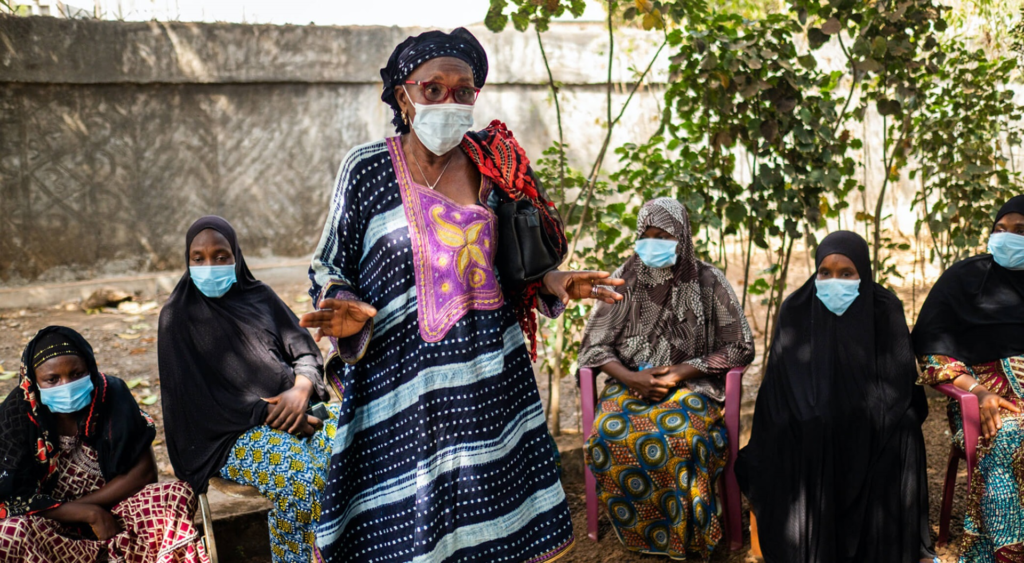
People working low-wage jobs often faced higher exposure risks because remote work was not possible.
The pandemic also highlighted the importance of:
- Housing stability
- Food security
- Digital access
- Community support systems
COVID-19 changed how many healthcare leaders view public health planning.
The Economic Impact of Poor Social Determinants of Health
Poor social conditions create major economic costs.
Health problems linked to social determinants increase spending on:
- Emergency care
- Chronic disease treatment
- Hospitalizations
- Mental health services
Businesses may also face:
- Reduced worker productivity
- Increased absenteeism
- Higher insurance costs
Investing in healthier communities can reduce long-term healthcare expenses.
For example, improving housing quality may reduce asthma-related hospital visits.
Public health experts increasingly believe prevention is more cost-effective than treatment alone.
Technology and Social Determinants of Health
Technology is playing a larger role in addressing social determinants of health.
Healthcare systems now use digital tools to identify social risk factors.
Examples include:
- Telehealth services
- Health tracking apps
- Online mental health support
- Electronic health records
- AI-based health screening tools
However, technology access is also a social determinant itself.
People without reliable internet or digital skills may struggle to access modern healthcare services.
This issue is known as the digital divide.
Closing the digital divide is becoming a major public health priority.
How Healthcare Organizations Address Social Determinants of Health
Hospitals and healthcare providers are expanding beyond traditional medical care.
Many organizations now screen patients for social needs such as:
- Food insecurity
- Housing instability
- Transportation problems
- Financial stress
Healthcare systems increasingly partner with:
- Community organizations
- Food banks
- Housing agencies
- Schools
- Local governments
This broader approach recognizes that health starts outside the hospital.
Some hospitals even invest directly in affordable housing and community development programs.
Public Policy and Social Determinants of Health
Government policies strongly influence health outcomes.
Policies related to education, housing, transportation, wages, and healthcare can improve or worsen public health.
Examples of supportive policies include:
- Affordable healthcare programs
- Nutrition assistance
- Housing support initiatives
- Paid family leave
- Community health funding
Strong public policy can reduce health disparities and improve population health.
Long-term improvement requires cooperation between healthcare systems, governments, businesses, and communities.
Challenges in Solving Social Determinants of Health
Addressing social determinants of health is complex.
Some major challenges include:
Funding Limitations
Community programs often lack long-term financial support.
Healthcare Inequality
Some communities still face major healthcare access barriers.
Political Differences
Public health policies may vary depending on political priorities.
Data Collection Issues
Measuring social health factors accurately can be difficult.
Systemic Inequality
Historical inequality continues to affect health opportunities.
Despite these challenges, awareness of social determinants of health continues to grow.
The Future of Social Determinants of Health
The future of healthcare will likely focus more on prevention and community health improvement.
Healthcare leaders increasingly understand that treating disease alone is not enough.
Future trends may include:
- Expanded telehealth services
- More community health programs
- Greater mental health support
- AI-driven social risk analysis
- Increased healthcare collaboration
- Personalized preventive care
Public health systems may become more proactive instead of reactive.
The healthcare industry is moving toward whole-person care that addresses both medical and social needs.
How Individuals Can Improve Their Social Determinants of Health
While many social factors require systemic solutions, individuals can still take steps to improve health outcomes.
Possible actions include:
- Building strong social relationships
- Seeking educational opportunities
- Learning financial management skills
- Prioritizing preventive healthcare
- Participating in community programs
- Improving nutrition and exercise habits
Communities also benefit when people support local health initiatives and social programs.
Small improvements at the community level can create large long-term health benefits.
Why Social Determinants of Health Are Important for America’s Future
The future of public health in the United States depends heavily on improving social conditions.
Also Read:World Health Organization: Complete 2026 Expert Guide to Global Health, Structure, and Impact
Healthcare costs continue to rise, and chronic disease rates remain high.
Addressing social determinants of health can help create:
- Healthier communities
- Lower healthcare spending
- Better educational outcomes
- Improved workforce productivity
- Longer life expectancy
A healthier society benefits everyone economically and socially.
The growing national focus on prevention and equity shows that healthcare is evolving beyond hospitals and clinics.
Conclusion
Social determinants of health are among the most powerful influences on human well-being. These nonmedical factors shape how people live, work, learn, and age.
Understanding what are social determinants of health helps explain why health outcomes differ across communities and populations.
From housing and education to employment and social support, these factors affect both physical and mental health every day.
The growing awareness of social determinants of health represents an important shift in modern healthcare thinking. Instead of focusing only on disease treatment, healthcare leaders now recognize the importance of improving life conditions that influence long-term wellness.
The future of healthcare will likely depend on stronger collaboration between healthcare systems, communities, businesses, schools, and governments.
Improving social determinants of health is not only a healthcare issue. It is also an economic, educational, and social priority that can create healthier futures for millions of Americans.
FAQs About Social Determinants of Health
How do social determinants of health affect daily life?
Social determinants of health influence everyday activities such as eating healthy food, accessing healthcare, finding safe housing, and getting quality education. These factors shape both physical and mental well-being over time.
Can social determinants of health increase chronic diseases?
Yes, poor living conditions, stress, unhealthy food access, and limited healthcare can increase the risk of chronic diseases like diabetes, heart disease, and obesity. Prevention often starts with improving social conditions.
Why is housing considered a social determinant of health?
Safe and stable housing protects people from environmental risks, stress, and health hazards like mold or pollution. Poor housing conditions can negatively affect both children and adults.
What role does employment play in health outcomes?
Employment provides income, health insurance, stability, and reduced financial stress. Unemployment or low-paying jobs may increase anxiety, depression, and limited healthcare access.
How does food insecurity impact health?
People without reliable access to healthy food may experience poor nutrition, weakened immunity, obesity, or chronic illnesses. Healthy eating is strongly connected to overall wellness.
Are social determinants of health connected to mental health?
Yes, factors like poverty, discrimination, unsafe neighborhoods, and social isolation can increase stress and mental health disorders. Strong community support often improves emotional health.
How can communities improve social determinants of health?
Communities can improve health outcomes by investing in education, affordable housing, public transportation, healthcare access, and local support programs. Small community improvements can create long-term health benefits.